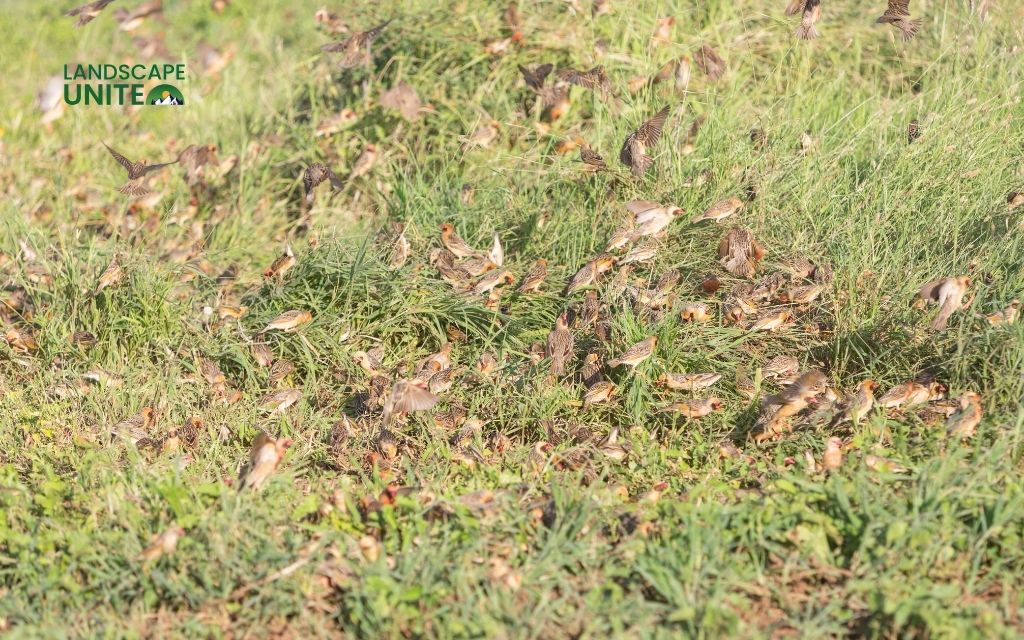
Understanding the Avian Appetite: Why Birds Love Your Grass Seed
There's little more frustrating for a dedicated gardener than meticulously preparing a lawn, sowing expensive grass seed, and then watching as a flock of birds descends like a winged army, happily feasting on your hard work. It's a common dilemma: How To Stop Birds Eating Grass Seed and ensure your new lawn has a fighting chance. The truth is, grass seeds are a natural and appealing food source for many common garden birds, including sparrows, finches, blackbirds, and starlings. They see an easy, abundant meal, making your freshly sown lawn an irresistible buffet.
Even grass seeds coated with bird repellent, like many advanced lawn products, aren't always a foolproof solution. While these coatings can significantly reduce the appeal, a hungry bird's drive to find sustenance can often overcome the aversion. This means relying solely on repellent-coated seeds may not be enough to safeguard your investment. The good news is that with a multi-faceted approach, you can effectively deter these feathered foragers without causing them any harm, ensuring your new lawn thrives.
Foundational Strategies: Seed Choice and Diversion Tactics
Choosing the Right Seed for a Head Start
While birds can sometimes overcome their aversion to repellents, starting with a deterrent-infused seed is still a smart first step. Many high-quality grass seed products now come with specialized coatings designed to make them less palatable to birds. Brands often market these as 'Smart Seed' or similar. These coatings typically don't harm the birds but make the seed taste unpleasant, discouraging them from lingering and consuming large quantities. Think of it as putting out a spread that looks delicious but tastes slightly off – most diners will move on to something better.
It's an initial layer of defense that, while not 100% effective on its own, significantly contributes to a broader deterrence strategy. Always check the packaging for specific claims regarding bird deterrence when purchasing your grass seed.
Providing Alternative Food Sources
One of the most effective and humane ways to persuade birds to leave your grass seed alone is simply to offer them something better, elsewhere. Birds are creatures of opportunity and will often opt for an easier, more appealing meal if one is readily available. Setting up bird feeders well away from your newly seeded lawn can be a game-changer.
- Strategic Placement: The key is distance. Place feeders in a different part of your garden, perhaps near a tree or shrub line, far enough that the lawn isn't on their direct flight path to or from the feeder.
- Variety of Food: Offer a range of bird-friendly foods such as sunflower seeds, nyjer seed, suet cakes, or mixed birdseed. A diverse offering is more likely to satisfy different species and keep them occupied away from your lawn.
- Consistency: Keep the feeders consistently stocked, especially during the crucial 7-10 days it takes for grass seed to germinate. This establishes the feeders as a reliable food source, making your lawn less attractive.
By diverting their attention with a well-stocked "alternative restaurant," you significantly reduce the chances of them developing a taste for your grass seed.
Physical Barriers and Visual Scares: Robust Defenses
Creating an Impenetrable Physical Barrier
When it comes to foolproof methods for how to stop birds eating grass seed, physical barriers are arguably the most effective. These methods literally prevent birds from accessing the seed, leaving no room for negotiation.
- Bird Netting: Lightweight, fine bird netting is an excellent solution. It allows sunlight and water to reach the seeds while creating an impassable barrier for birds.
- Application: Stretch the netting over the seeded area, ensuring it's taut but not resting directly on the soil (which could hinder growth or make it easier for birds to peck through). Use stakes or canes to elevate it slightly.
- Security is Key: Crucially, secure all edges of the netting firmly to the ground with pegs, bricks, or rocks. Birds are remarkably resourceful and will find any gap to squeeze underneath.
- Scalability: This method works equally well for small patch repairs and larger lawn areas. For smaller sections, horticultural fleece can also be used, staked down securely. Once your grass has established roots, you can carefully remove and even reuse the netting or fleece for future projects.
This barrier method is especially effective during the critical germination period, typically the first week or two after sowing. For more in-depth strategies on protecting your lawn post-seeding, consider exploring resources like Stop Birds Eating Grass Seed: Essential Tips for a Flawless Lawn.
Harnessing Visual and Auditory Deterrents
Birds, like many animals, are wary of the unknown and sudden disturbances. Capitalizing on their natural instincts can be a highly effective way to scare them off your lawn.
- Reflective Objects: Birds are often startled by sudden flashes of light and unpredictable movement.
- Mylar Tape/Bird Scare Tape: This shiny, reflective tape flutters and flashes in the breeze, creating a disorienting effect. Stick canes into your lawn and string the tape between them, allowing it to move freely.
- Old CDs/DVDs or Aluminum Pie Plates: Hang these from canes or stakes. The reflective surfaces catch the sunlight, producing glints and flashes that birds perceive as a threat or an unfamiliar object.
- Fake Predators and Balloons: Decoys mimicking natural predators can also be effective.
- Owl or Hawk Decoys: Position these strategically in your lawn.
- Predator Eye Balloons: These inflatable balloons often feature large, intimidating eyes that can deter birds.
- Important Tip: Birds are intelligent and can quickly habituate to static deterrents. To maintain their effectiveness, move these visual scares to different locations every few days.
- Sound Devices: Unexpected noises can also keep birds at bay.
- Wind Chimes: The gentle clinking or chiming sound can be enough to deter some birds, especially in quieter environments.
- Noisemakers: While less practical for continuous use, a periodic sudden noise can be effective for short bursts. Be mindful of your neighbors when considering any noise-making deterrents.
These visual and auditory deterrents are particularly useful for the initial 7-10 days after seeding when germination is most vulnerable. For quick and easy setup ideas, you might find inspiration in Protect Your New Lawn: Quick & Effective Bird Deterrents for Seed.
A Modern Approach: Motion-Activated Deterrents
For those looking for a more automated and dynamic solution to how to stop birds eating grass seed, motion-activated devices offer an excellent modern option.
- Motion-Activated Sprinklers: These innovative devices are designed to detect movement within a certain range and respond by releasing a sudden, harmless burst of water.
- How they Work: When a bird lands on or approaches your seeded lawn, the sensor triggers, sending a quick spray of water in their direction. This unexpected shower not only frightens them away but also provides an added benefit of watering your newly sown seeds.
- Placement: Position sprinklers strategically to cover the most vulnerable areas of your lawn, ensuring their sensors have a clear line of sight.
- Benefits: They are humane, effective, and dual-purpose, offering both deterrence and irrigation. They are also less prone to birds becoming accustomed to them compared to static visual deterrents.
Motion-activated sprinklers represent a smart investment for serious gardeners, providing a dynamic defense against persistent avian visitors.
Conclusion: Cultivating a Bird-Free Zone for Your New Lawn
Protecting your newly sown grass seed from hungry birds is a crucial step in achieving that lush, green lawn you envision. While birds are a delightful part of any garden ecosystem, their appetite for grass seed can quickly undo your hard work and financial investment. By understanding how to stop birds eating grass seed, you can implement a comprehensive strategy that combines smart seed choices, appealing alternative food sources, robust physical barriers, and clever visual or motion-activated deterrents.
Remember that a multi-pronged approach often yields the best results. Birds are clever and can adapt, so rotating deterrents or using several methods in combination will keep them guessing. With a bit of foresight and strategic action, you can successfully guide your grass seed through its vulnerable early stages, ensuring it germinates and grows into a beautiful, resilient lawn.