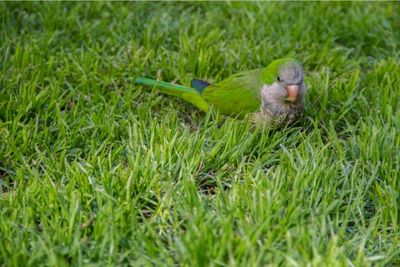
Protecting Your Investment: Why Birds Love Your New Lawn (and How to Stop Them)
The anticipation of a lush, green lawn is one of the most rewarding feelings for any homeowner. You've prepared the soil, carefully scattered the seeds, and envisioned that perfect verdant carpet. However, within hours or days, your dream can turn into a nightmare as flocks of birds descend, treating your newly sown grass seed as a five-star buffet. Sparrows, finches, blackbirds, and starlings are particularly notorious for their appetite for these tiny, nutritious packets of future lawn. It's a natural instinct for them, but for you, it means wasted effort, money, and a patchy, disappointing result.
The good news is that securing your investment isn't an impossible task. While there's no magic bullet to make grass seed completely unappealing to every bird, there are highly effective, humane strategies you can employ. Understanding *how to stop birds eating grass seed* is crucial during the critical germination period, typically the first 7-10 days after sowing. This guide will walk you through a comprehensive approach to protect your burgeoning lawn.
Understanding the Foe: Why Birds Target Your Grass Seed
Birds are opportunistic feeders, and grass seeds represent a readily available, high-energy food source. Even if you've opted for seeds coated with bird repellent – a smart first step, and one we highly recommend, especially with products like LawnPro Smart Seed – hungry birds can often overcome their aversion. When resources are scarce, or a particular flock is especially keen, they might ignore the repellent and feast nonetheless. This makes a multi-faceted approach to deterrence absolutely essential. Your goal isn't just to make the seeds taste bad; it's to make them hard to find, hard to reach, and generally not worth the effort compared to other options.
Carelessness in the initial days after seeding can quickly undo all your hard work. Regular monitoring of your new lawn is key to identifying potential problems early. If you notice birds showing an interest, swift action is paramount to prevent them from establishing a regular feeding pattern.
The Multi-Pronged Approach: Combining Deterrent Strategies for Maximum Effect
Relying on a single deterrent often isn't enough. Birds are intelligent and adaptable; they quickly learn to ignore static threats. The most effective strategy for *how to stop birds eating grass seed* involves combining different types of deterrents – physical barriers, visual scares, auditory distractions, and even alternative food sources – and regularly rotating or adjusting them. This keeps birds guessing and makes your lawn seem less appealing than other, easier food options.
1. Creating Impenetrable Physical Barriers
The most foolproof method to prevent birds from eating grass seed is to create a physical barrier between them and your precious seeds.
*
Lightweight Netting or Fabric: This is arguably the most effective and direct solution. Covering the seeded area with a lightweight, breathable fabric like horticultural fleece or specific bird netting creates an impassable barrier.
*
Application: For larger areas, unroll sheets of horticultural fleece or netting and secure the edges firmly to the ground using pegs, stakes, or even bricks. Ensure there are no gaps for birds to sneak underneath. For smaller, patched areas, this is an excellent choice as it's easy to manage.
*
Benefits: Allows light and water to reach the seeds while physically excluding birds. It also helps retain moisture, aiding germination.
*
Reusability: Once your grass seeds have germinated and developed enough roots (typically after 7-10 days), you can carefully roll up the fabric or netting and reuse it for future projects or other garden needs.
2. Deploying Visual & Auditory Scare Tactics
Birds are naturally wary of unexpected movements, reflections, and loud noises. Capitalize on these instincts to deter them.
*
Reflective Objects: These are simple, cost-effective, and often surprisingly effective.
*
Materials: Hang reflective objects like old CDs/DVDs, aluminum pie plates, or specialized mylar scare tape from canes or stakes stuck into the lawn.
*
Mechanism: The flickering light reflecting off these objects, combined with their movement in the breeze, can disorient and frighten birds away.
*
Tip: Vary the height and position of these objects regularly to prevent birds from getting used to them.
*
Fake Predators & Balloons: Mimicking natural threats can be a powerful deterrent.
*
Options: Purchase fake owls (preferably ones with moving heads), hawk kites, or balloons designed with large, intimidating "eyes."
*
Effectiveness: These can be effective for a week or two, but birds are quick to learn if they're static.
*
Tip: Move fake predators daily or every other day to maintain their illusion of being a genuine threat.
*
Noise-Making Devices: Unexpected sounds can scare birds, at least temporarily.
*
Options: Wind chimes or other noise-making devices can be useful. Some specialized bird deterrent devices emit ultrasonic sounds or sudden loud noises.
*
Considerations: Be mindful of your neighbors when using loud devices. Wind chimes offer a gentler, continuous sound.
3. Implementing Advanced & Humane Deterrents
For persistent problems or larger areas, more sophisticated solutions can be invaluable.
*
Motion-Activated Sprinklers: These are a win-win solution, providing both deterrence and irrigation.
*
How They Work: Position motion-activated sprinklers around your lawn. When a bird (or any movement) triggers the sensor, a sudden burst of water sends them scattering.
*
Benefits: They are humane, effective, and simultaneously help keep your new seeds moist, which is essential for germination.
*
Placement: Strategically place them to cover the entire seeded area, adjusting sensitivity settings as needed.
*
Providing Alternative Food Sources: Sometimes, the best way to *how to stop birds eating grass seed* is to give them something better.
*
Bird Feeders: Set up bird feeders stocked with seeds, suet, or other bird-friendly foods.
*
Crucial Placement: It is paramount to site these alternative food sources *well away* from your new lawn. The goal is to divert birds' attention completely, not draw them closer. If the alternative food is easily accessible and more appealing, they will naturally prefer it over the repellent-coated grass seeds.
4. The Foundation: Always Start with Repellent-Coated Seed
While not a standalone solution, using grass seed that has been pre-treated with a bird repellent is an essential first line of defense. Many reputable brands offer such coatings. These repellents don't harm the birds but make the seeds less palatable, reducing the quantity they might consume, if any. Think of it as making your seeds the last resort, rather than the first choice. Combining this foundational step with other deterrents significantly boosts your chances of success. For more comprehensive strategies, consider exploring
Beyond Repellent: Smart Ways to Deter Birds From Your Grass Seed.
Pro Tips for Maximizing Your Success
*
Monitor Constantly: Keep a watchful eye on your lawn, especially during the first two weeks. Birds can learn new habits quickly.
*
Rotate & Combine: Don't rely on just one method. Birds are intelligent and will habituate to static deterrents. Regularly move reflective objects, change the type of visual deterrent, or combine barriers with scare tactics.
*
Act Swiftly: The moment you notice birds showing interest, implement deterrents immediately. The quicker you act, the less likely they are to establish a feeding routine.
*
Be Patient and Persistent: Protecting a new lawn requires a bit of dedication. Your efforts will pay off with a vibrant, healthy lawn.
*
Don't Forget Watering: While deterring birds, ensure your new seeds are consistently moist. Proper watering is just as critical for successful germination. You can find more essential advice on lawn care in this detailed guide:
Stop Birds Eating Grass Seed: Essential Tips for a Flawless Lawn.
Conclusion
The path to a beautiful, new lawn doesn't have to be a battle against feathered foes. By understanding bird behavior and implementing a smart, multi-faceted approach to deterrence, you can successfully protect your grass seed and ensure it has the chance to germinate and flourish. From physical barriers and reflective scares to motion-activated sprinklers and alternative food sources, you have a comprehensive toolkit at your disposal. With a little vigilance and strategic deployment of these humane methods, you'll soon be enjoying that perfect, lush lawn you've always dreamed of, free from the unwelcome attention of hungry birds.