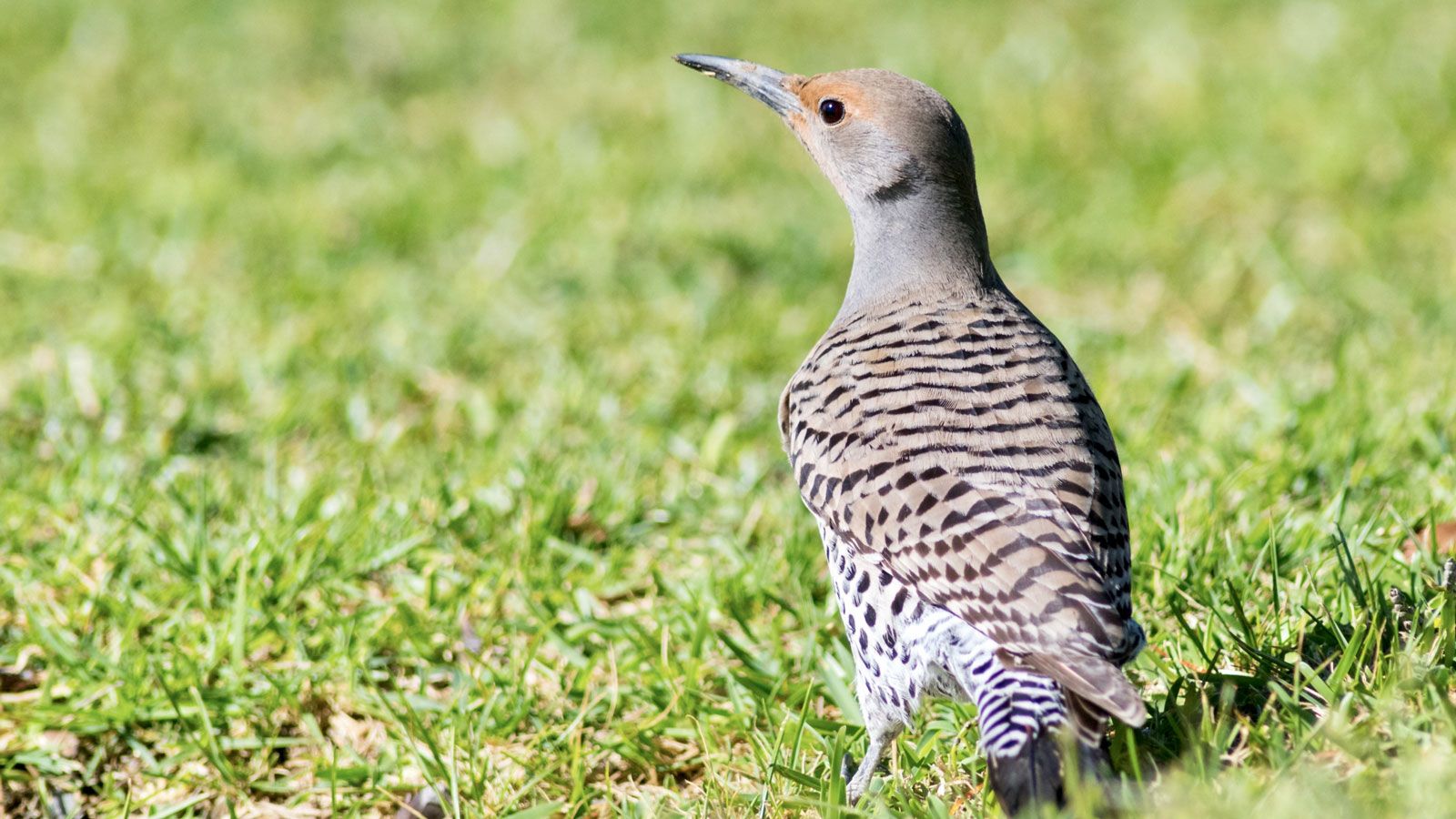
There's nothing quite like the satisfaction of sowing a new lawn or patching bare spots, envisioning a lush, green carpet underfoot. Yet, this dream can quickly turn into a frustrating spectacle when local birds descend, treating your carefully scattered grass seed as a complimentary buffet. Many homeowners find themselves asking: How to stop birds eating grass seed effectively, without harming the feathered foragers? The good news is that protecting your investment and ensuring your new lawn thrives is entirely achievable with a combination of smart strategies.
Understanding the Foe: Why Birds Love Your Grass Seed
For many common garden birds such as sparrows, finches, blackbirds, and starlings, grass seeds are a natural and appealing food source. They're readily available, often packed with nutrients, and easy to spot when scattered across freshly prepared soil. Even if you've done your due diligence and chosen grass seed coated with bird repellent, a truly hungry flock can sometimes overcome their aversion, viewing the slight distaste as a minor inconvenience for a plentiful meal.
The challenge lies in the critical germination period. Grass seeds need about 7-10 days, sometimes longer depending on the type and conditions, to sprout and establish roots. During this vulnerable window, every seed lost to a bird is a patch of potential grass gone. Recognizing this inherent attraction is the first step toward implementing successful deterrents and ensuring your new lawn has the best possible chance to flourish.
Proactive Measures: Foundation for Success
Before you even scatter the first seed, there are foundational steps you can take to make your lawn less appealing to birds and more conducive to rapid germination. A solid start significantly reduces the window of opportunity for birds to cause damage.
Choosing the Right Seed
- Opt for Bird-Repellent Coated Seeds: Many reputable brands, like certain LawnPro products, offer grass seeds with bird repellent coatings. While the reference context notes that determined birds can sometimes overcome this aversion, these coatings undoubtedly reduce the amount of seed taken. Think of it as a first line of defense; it makes the seeds less palatable and encourages birds to look elsewhere first. Always check the packaging for this feature.
- Fast-Germinating Varieties: Where possible, choose grass seed varieties known for quicker germination. The faster your seeds sprout and establish, the less time they spend as exposed, tempting snacks.
Optimal Sowing Techniques
- Sowing Depth: While grass seed should generally be surface-sown or lightly raked in, ensure it's not simply sitting on top of the soil. Lightly covering the seeds with a very fine layer of soil (no more than 1/8 to 1/4 inch) can make a significant difference in accessibility for birds without hindering germination.
- Proper Soil Preparation: A well-prepared seedbed with good drainage and adequate nutrients encourages faster, healthier germination. This means less time the seeds are exposed and vulnerable to avian predators.
- Consistent Moisture: Keep the seeded area consistently moist but not waterlogged. This is crucial for germination and helps seeds anchor quickly, reducing their "rollability" for birds.
Physical Barriers: The Ultimate Defense
When it comes to reliably stopping birds from eating grass seed, creating a physical barrier is often the most foolproof method. It eliminates access entirely, providing peace of mind during the crucial germination phase.
Bird Netting and Horticultural Fleece
One of the most effective methods is to cover the seeded area with a lightweight, breathable fabric or bird netting. This creates a tangible barrier that birds simply cannot penetrate, while still allowing essential light and water to reach your fledgling grass.
- Full Coverage: For larger areas, invest in quality bird netting. Drape it over the entire newly sown lawn, ensuring the edges are firmly secured to the ground. This prevents birds from sneaking underneath. You can use ground pegs, stones, or even lengths of timber to hold it down securely.
- Patch Repair Protection: If you're repairing smaller patches in your lawn, horticultural fleece is an excellent option. Unroll large sheets over the seeded areas and stake them into the ground with pegs. Fleece offers the added benefit of providing a little extra warmth, which can aid germination, especially in cooler weather.
- When to Remove: Once your grass seeds have visibly germinated and the seedlings are robust enough to have set root – typically after 7-10 days, or when they're an inch or two tall – you can carefully remove the netting or fleece. Both materials are often reusable for future gardening projects.
For more insights into quickly and effectively protecting your newly sown areas, explore Protect Your New Lawn: Quick & Effective Bird Deterrents for Seed.
Diversion and Distraction: Appeasing and Scaring Away
While physical barriers are highly effective, a multi-pronged approach often yields the best results. This can involve giving birds a better alternative or scaring them away with visual and auditory deterrents.
Providing Alternative Food Sources
Sometimes, the simplest solution is to offer birds something even more appealing than your grass seed. If birds have a readily available, preferred food source, they are less likely to target your precious lawn.
- Strategic Bird Feeder Placement: Set up bird feeders stocked with seeds, suet, or nuts. Crucially, site these feeders well away from your newly seeded lawn – ideally, at the opposite end of the garden or in a separate area. The goal is to divert, not attract them closer to your vulnerable grass.
- Consistency is Key: Keep the feeders regularly topped up. Birds are creatures of habit; if they know there's a reliable food source elsewhere, they'll favor it.
Visual Deterrents
Birds are naturally wary of unexpected movements and reflections. Harnessing this instinct can create an environment they'd rather avoid.
- Reflective Objects: Hang reflective objects like old CDs/DVDs, aluminum pie plates, or mylar bird scare tape from canes or stakes stuck into the lawn. The fluttering motion and flashing light reflected off these objects can be enough to disorient and frighten birds away.
- Fake Predators: Plastic owls, snakes, or even balloons designed with large, predatory eyes can be effective. Their presence signals danger to birds. However, birds are intelligent; they quickly learn if a predator isn't moving. For optimal effectiveness, it’s vital to move these deterrents regularly – daily or every other day – to different spots.
- Plastic Bags: Simple plastic shopping bags tied to canes and left to flutter in the wind can also act as a visual deterrent, providing unpredictable movement.
Auditory Deterrents
Unexpected noises can also keep birds at bay, at least until your seeds have had a chance to germinate.
- Wind Chimes: The gentle, random sounds of wind chimes can be enough to deter some birds, especially in combination with visual elements.
- Noise-Making Devices: While you'll want to be mindful of neighbors, occasional noise-making devices can work. The key is unpredictability – birds get used to constant noise.
Motion-Activated Sprinklers
These devices offer a brilliant dual benefit. Positioned around your lawn, they detect movement and trigger a sudden burst of water. The unexpected spray gives birds a harmless but effective scare, sending them flying. As an added bonus, this also helps keep your newly sown seeds moist, which is essential for germination. It’s a win-win situation for lawn care and bird deterrence.
To dive deeper into creative and smart ways to protect your grass seed from birds, read Beyond Repellent: Smart Ways to Deter Birds From Your Grass Seed.
Integrated Pest Management for Birds: A Holistic Approach
The most successful strategy for how to stop birds eating grass seed is rarely a single solution. Birds are adaptable creatures, and what deters them one day might lose its effectiveness the next. Therefore, an integrated approach combining several methods is almost always the best course of action. Use bird-repellent seeds as your base, then add a physical barrier, and supplement with visual or auditory deterrents. Continue to move and vary your scare tactics to prevent birds from becoming accustomed to them.
Vigilance is key. Keep a close eye on your newly seeded lawn, especially during the first two weeks. If you notice birds gathering, act quickly to reinforce your deterrents. Your diligent efforts during this short, critical period will pay off handsomely, ensuring that every seed you sow contributes to a thick, healthy, and beautiful lawn.
Protecting your newly sown grass seed from hungry birds is a crucial step in achieving that perfect lawn. By understanding why birds are attracted, employing proactive seed and sowing techniques, and implementing a combination of physical barriers, diversion tactics, and scare devices, you can significantly increase your success rate. While birds may find your grass seed irresistible, armed with these essential tips, you can ensure they don't get the upper hand. Take these steps, and watch your new lawn flourish into the envy of the neighborhood.